


Consumables · Strapping supply
PP and PET strapping for packaging machines.
We stock machine strap across the most common widths and gauges. Sourced from a leading European manufacturer, supplied per coil or on volume accounts, and specified to your machine and load profile.
Polypropylene strapping
PP strap for semi-auto and automatic machines.
PP is the most common machine strap. It suits most strapping heads where break loads aren't the limiting factor - medium-weight loads, consistent throughput, standard transit conditions. The specs below cover what we hold as standard stock. Other widths and gauges are available - if you need something not listed, get in touch.
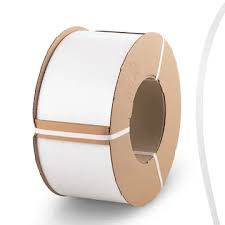
5mm machine strap
The narrowest PP strap we carry. Suited to lighter loads and semi-automatic machines with a slimmer strap head spec. Available in 3 gauges - 0.35mm through to 0.47mm for applications where you need a bit more tensile strength from a narrow strap.
| Width × gauge | Coil length |
|---|---|
| 5 × 0.35mm | 9,000m |
| 5 × 0.40mm | 8,000m |
| 5 × 0.47mm | 7,000m |
9mm and 12mm machine strap
Wider PP for automatic machines with higher tension requirements. 9mm covers most standard-duty automatic strapping heads. 12mm is where load weight starts to drive gauge choice - check your machine's tension spec and the load profile before selecting.
| Width × gauge | Coil length |
|---|---|
| 9 × 0.55mm | 4,000m |
| 12 × 0.55mm | 3,000m |
| 12 × 0.63mm | 3,000m |
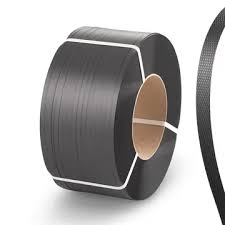
Polyester strapping
PET strap for higher break loads and retained tension.
PET is the right choice when break load, elongation, and retained tension matter. Sharp-edged products, heavier loads, or longer transit times where PP won't hold tension reliably. The specs below are our standard stock. Other widths and gauges can be sourced - talk to us about your application.
9mm, 9.5mm and 12mm PET strap
HT grades where maximum break load is the priority. GP grade where slightly higher elongation is acceptable in exchange for a better price point.
| Width × gauge | Coil length | Break load |
|---|---|---|
| 9 × 0.60mm | 3,200m | 223kg |
| 9.5 × 0.60mm | 3,200m | 223kg |
| 12 × 0.60mm | 2,500m | 260kg |
| 12 × 0.70mm | 2,600m | 290kg |
Getting the spec right
We need to know what you're strapping before we quote.
Strap width is just a starting point. What you're strapping, how heavy it is, how it's packed, and what machine you're running all affect which spec will actually work. The wrong gauge causes head jams; too light a break load and the strap fails in transit. We'd rather ask the right questions upfront than send you a coil that doesn't perform.
For new accounts or anyone switching from a previous supplier, we usually recommend a trial coil before committing to volume. It's the quickest way to confirm the spec works in your machine on your product - and it avoids the cost of finding out it doesn't after you've bought a pallet.